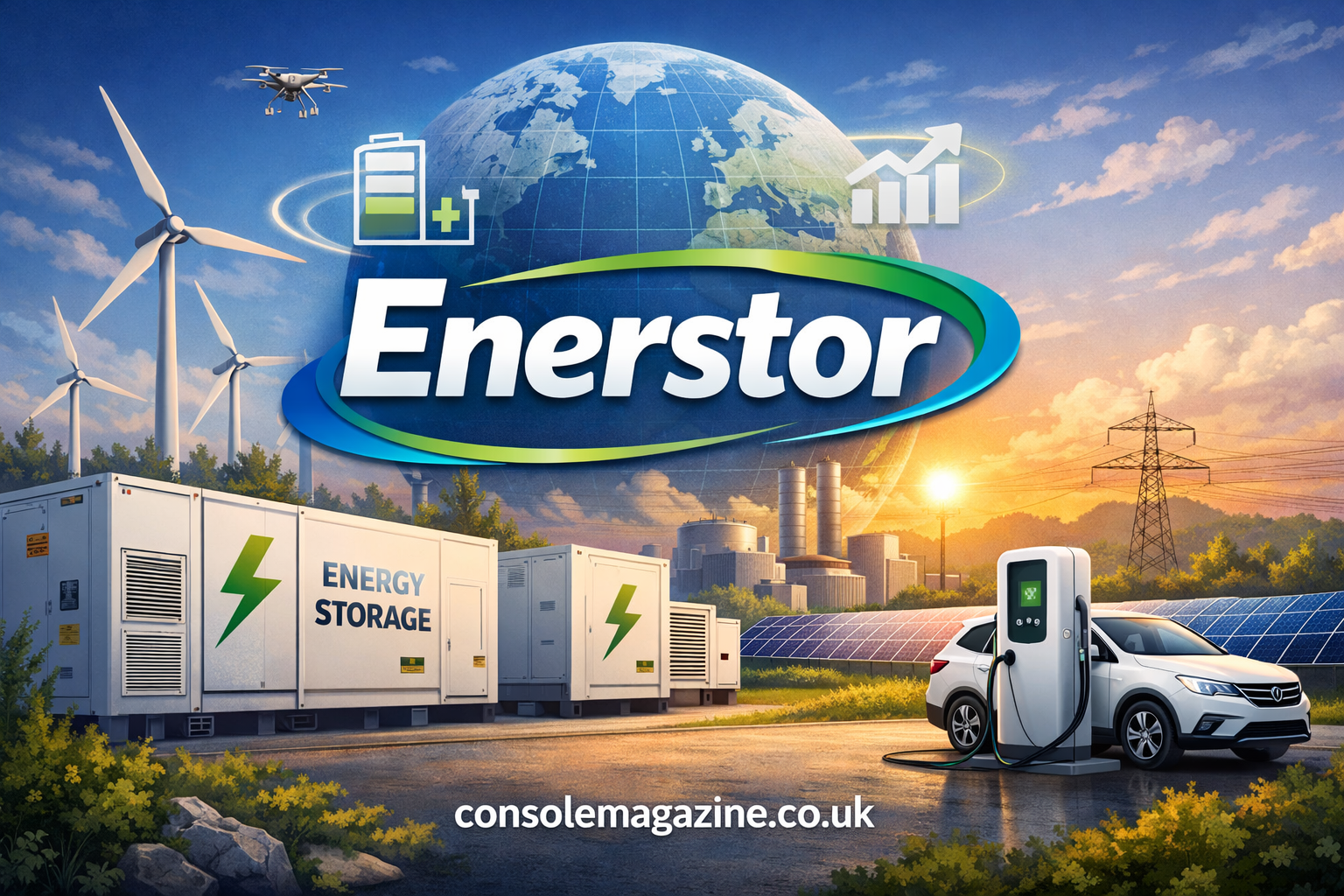
In a world pushing ever harder toward renewable energy, the challenge isn’t just producing clean electricity — it’s storing it efficiently, reliably, and affordably. That’s where Enerstor comes in: a renewable energy solutions provider centered on solar‑plus‑storage systems, battery energy storage technologies, and intelligent energy management software.
This deep‑dive guide explains who Enerstor is, how its technology works, why energy storage is critical today, the benefits and challenges, and where the market is headed in the coming decade.
What Is Enerstor?
Enerstor is a company focused on providing renewable energy solutions — especially battery energy storage systems (BESS), solar integration, and smart energy management tools. With roots in Romania and a growing global footprint, Enerstor designs systems that capture solar power, store it, and release it on demand, enabling greater energy autonomy and cost savings for homeowners, businesses, and utilities.
Though not yet as globally recognized as Tesla or LG Energy Solution, Enerstor’s tailored solutions and strong software integration differentiate it from many competitors.
Why Enerstor Is Important in Today’s Energy Landscape
Renewable sources like solar and wind are abundant but intermittent — the sun doesn’t always shine, and the wind doesn’t always blow. Without effective storage, excess energy generated during peak production may go unused or stress the grid.
Enerstor helps bridge this gap by storing surplus renewable energy for later use, reducing waste and enhancing grid reliability. This capability has become crucial as countries aim for net‑zero emissions, reliance on clean power, and more resilient energy systems.
Core Technologies Behind Enerstor
Enerstor’s offerings draw from multiple advanced technologies. Here’s a breakdown:
Battery Energy Storage Systems (BESS)
At the heart of Enerstor’s products are battery energy storage systems (BESS), modular systems that store electricity for discharge when needed. These systems help balance load, manage peak demand, and support renewable integration.
Globally, the battery energy storage market is massive and expanding rapidly — expected to grow from roughly USD 74.8 billion in 2025 to more than USD 178 billion by 2035, driven by decarbonization and grid modernization efforts.
Lithium‑Ion Battery Technologies
Enerstor predominantly uses advanced lithium‑ion battery chemistries, like lithium iron phosphate (LFP) and NMC variants, known for high energy density, safety, and longer life cycles.
The broader lithium‑ion battery storage market is poised for exponential growth — projected to expand from about USD 49.4 billion in 2024 to an astonishing USD 352.9 billion by 2033, reflecting the technology’s critical role in clean energy systems.
Long‑Duration & Hybrid Storage Options
Enerstor explores complementary technologies such as thermal storage and other long‑duration formats that can support sustained energy release beyond typical battery discharge times.
By integrating multiple storage types, Enerstor can tailor solutions to specific needs, whether for short‑term peak shaving or longer‑term grid support.
Energy Management Software and Smart Controls
Enerstor’s systems pair hardware with intelligent software — real‑time control systems that manage energy flow, optimize charge/discharge cycles, and integrate with building automation platforms.
Smart energy management is a key advantage in demand response programs, ancillary grid services, and cost savings strategies.
How Enerstor Energy Storage Systems Work
Understanding how Enerstor systems operate provides insight into their real‑world value.
Energy Capture and Storage Process
- Generation: Solar panels or renewable sources produce electricity.
- Capture: Excess energy is fed into the BESS.
- Storage: Batteries hold the energy until needed.
- Distribution: Stored energy is dispatched during high demand, outages, or peak pricing periods.
This process allows users to minimize reliance on the grid, lower utility costs, and enhance backup power reliability.
Integration with Solar Panels and Inverters
Enerstor systems are engineered to seamlessly connect solar panels, inverters, and storage units, ensuring optimal conversion of DC sunlight into usable stored power.
Integrating solar and storage creates a solar‑plus‑storage system — a highly desirable model in the modern clean energy landscape.
Smart Discharge, Load Balancing & Peak Shaving
Enerstor’s intelligent software can dispatch stored energy strategically — for example, supplying power during peak utility pricing hours (peak shaving) or balancing demand across a facility.
These controls maximize returns on investment and improve grid stability by reducing strain during peak periods.
Applications of Enerstor Energy Storage Solutions
Enerstor’s products aren’t one‑size‑fits‑all — they serve diverse application segments:
Residential Energy Storage Solutions
Homeowners can install Enerstor systems to store solar energy for evening use, reduce electricity bills, and maintain power during outages. Residential BESS enables true energy independence.
Commercial and Industrial (C&I) Applications
Businesses deploy Enerstor solutions to reduce demand charges, manage load, and stabilize on‑site power supplies. Industrial facilities benefit from improved operational resilience and lower grid costs.
Utility‑Scale and Grid Support Systems
Enerstor’s systems can scale to utility‑grade deployments, providing frequency regulation, grid balancing, and large‑scale storage in partnership with utilities.
These capabilities support grid reliability and help integrate distributed energy resources (DERs).
Microgrids and Remote Energy Systems
In remote or off‑grid areas, Enerstor empowers microgrids — localized power networks that operate independently from centralized utility grids, enhancing energy reliability for communities or critical infrastructure.
Benefits of Using Enerstor
1. Cost Savings and Energy Efficiency
By storing inexpensive solar power for later use and avoiding peak grid pricing, users can significantly cut energy costs. Strategic discharge during high tariff periods yields strong economic value.
2. Reliability and Backup Power
Enerstor systems provide backup electricity during outages, protecting households and businesses and ensuring business continuity for critical operations.
3. Sustainability and Carbon Footprint Reduction
By reducing reliance on fossil fuel power and embracing renewable storage, Enerstor contributes to lower carbon emissions and aligns with environmental goals and regulations.
4. Grid Support and Energy Resilience
Enerstor can participate in demand response programs, provide ancillary services, and help reduce stress on regional grids — a critical advantage as renewable penetration increases.
Enerstor vs Other Energy Storage Companies
Enerstor competes in a crowded marketplace:
- Tesla Energy — Globally recognized with Powerwall and Megapack products.
- Fox Enerstor — Part of Foxconn’s energy storage branding.
- CATL & LG Energy Solution — Major lithium‑ion cell manufacturers supplying BESS markets.
Enerstor differentiates itself through customized solutions, local service provisioning, and strong energy management integration, particularly in residential and C&I segments.
Industry Trends Shaping Enerstor’s Growth
Rapid Market Expansion
The global energy storage market is experiencing explosive growth. Projections vary, but many forecasts indicate double‑digit CAGR rates for the next decade, with market sizes reaching into the hundreds of billions by 2035.
Dominance of Lithium‑Ion Technologies
Lithium‑ion batteries currently account for the majority of new energy storage deployments due to their proven reliability and decreasing costs. Electrochemical technologies dominate the market share.
Smart Grids and Decentralized Energy
As grids become smarter and more decentralized, modular storage solutions like those offered by Enerstor play pivotal roles — enabling microgrids, peak management, and improved grid flexibility.
Real‑World Use Cases and Pilot Projects
Enerstor customers range from homeowners achieving energy savings to businesses improving load profiles.
While specific documented case studies may be proprietary, the broader industry showcases numerous deployments:
- Residential solar‑plus‑storage systems
- Commercial energy storage with demand charge reduction
- Utility installations supporting grid flexibility and renewable integration
Large BESS projects — including hybrid solar and battery setups in Europe nearing 1 GWh capacity — illustrate how large‑scale storage is gaining traction.
Challenges and Limitations of Enerstor
While promising, Enerstor and similar BESS technologies face challenges:
Installation & Maintenance Complexities
Proper system design and installation require expert planning, especially when integrating with existing electrical infrastructure.
Battery Lifecycle & Recycling
Lithium‑ion batteries have finite life spans (often 10–15 years) and recycling infrastructure is still developing, making sustainability and end‑of‑life strategies crucial.
Upfront Costs vs. Long‑Term Savings
Initial investments can be significant, although lifetime cost savings typically justify them. Detailed ROI assessments help buyers make informed decisions.
Regulatory & Safety Considerations
Concerns over thermal runaway and BESS safety have led some communities to oppose certain storage installations, although modern designs and codes greatly mitigate these risks.
The Future of Enerstor and Energy Storage
The outlook for Enerstor and the broader energy storage sector is bright.
Technological Innovations
Ongoing research into next‑generation batteries (e.g., solid‑state, flow, and hybrid systems) promises greater efficiency and longer durations.
Grid Integration & Renewable Expansion
As renewable capacity grows worldwide, storage systems like Enerstor’s will play increasingly central roles, enabling grid flexibility and supporting decarbonization mandates.
Scalability and Global Adoption
With renewable energy adoption accelerating across Asia, North America, and Europe, demand for advanced storage solutions is set to rise, creating significant market opportunity.
Is Enerstor the Right Energy Storage Solution?
Enerstor is well‑suited for:
- Homeowners looking to maximize solar self‑consumption
- Businesses seeking demand charge reduction and resiliency
- Utilities and microgrid developers needing scalable storage
The choice depends on specific energy goals, project scale, and integration needs.
Frequently Asked Questions About Enerstor
What is Enerstor used for?
Enerstor systems capture, store, and intelligently dispatch renewable energy to reduce costs, enhance reliability, and support grid functions.
How does Enerstor energy storage work?
Energy is stored in battery systems (usually lithium‑ion) and released on demand, managed by smart software to optimize performance.
Is Enerstor suitable for homes and businesses?
Yes — Enerstor offers configurations for everything from residential backup systems to industrial load management and utility deployments.
How long do Enerstor batteries last?
Lithium‑ion batteries generally last 10–15 years, depending on usage patterns and maintenance.
Final Verdict
Enerstor represents a powerful player in the rapidly expanding energy storage landscape — bridging the gap between renewable generation and real‑world use. By combining cutting‑edge BESS technology with smart energy management and scalability, Enerstor empowers users to unlock cost savings, energy independence, sustainability gains, and grid resilience.
As renewable energy ambitions continue to grow globally, Enerstor’s comprehensive solutions position it as an impactful contributor to the clean energy future.