
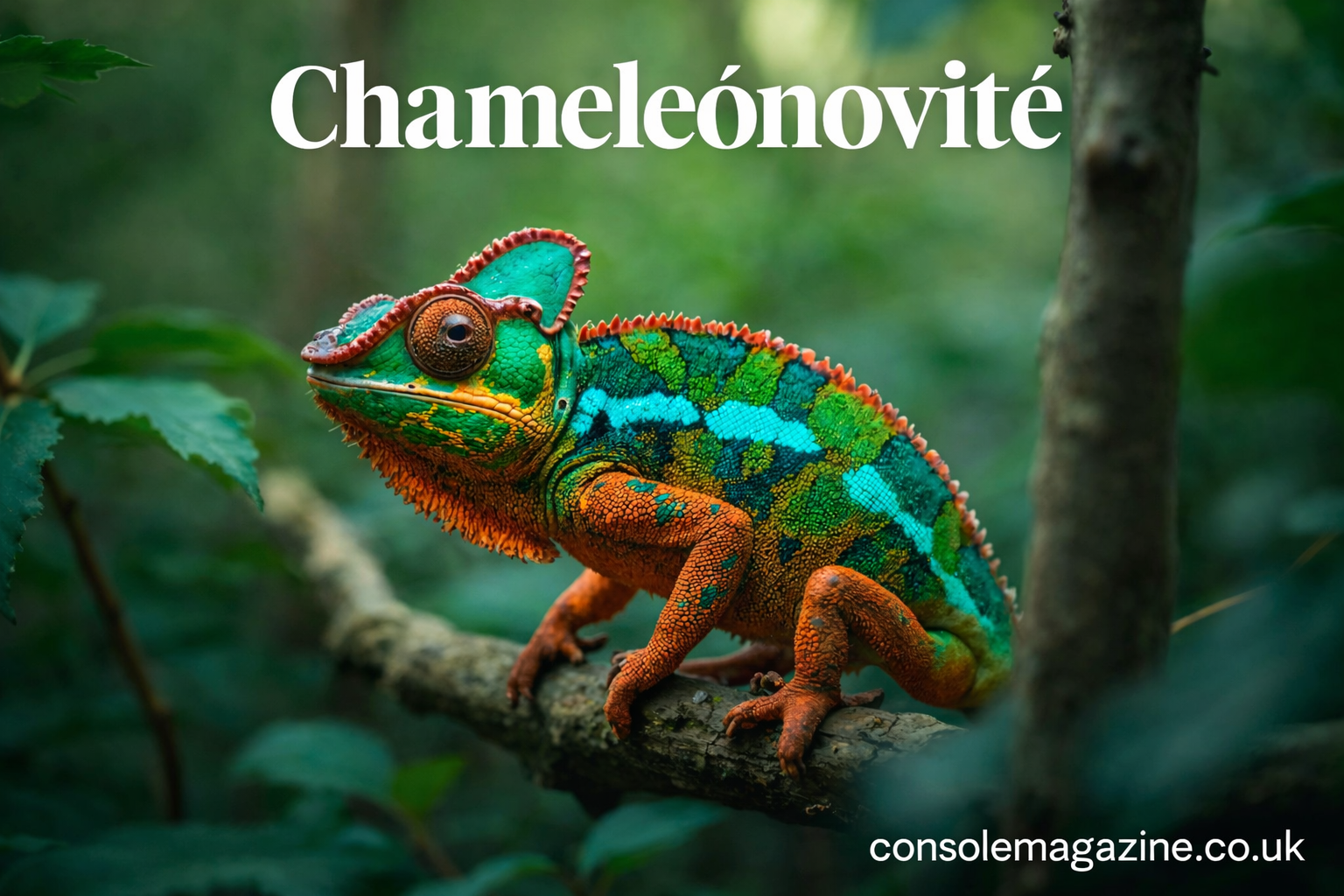
Chameleónovité — the remarkable reptiles of the family Chamaeleonidae — are among the most fascinating creatures on Earth. Known widely for their extraordinary color changes, these animals exhibit a unique combination of physical adaptations, evolutionary history, and ecological importance that captivates scientists, pet owners, and nature lovers alike.
Despite their popularity, many myths surround chameleónovité. In this comprehensive guide, we delve into their biology, behavior, natural habitats, role in ecosystems, pet care needs, conservation challenges, and inspiring facts that make them a true wonder of evolution.
Introduction
Chameleónovité evoke images of slow‑moving, color‑shifting lizards that seem almost magical. From their independently rotating eyes to their sticky, projectile tongues, these reptiles boast biological features unmatched in the reptile world. Scientific research has shown that there are over 200 species of chameleons globally, with a significant number inhabiting Madagascar, East Africa, and nearby islands.
Understanding chameleónovité not only satisfies curiosity — it also helps highlight the pressing conservation challenges they face and the critical role they play in maintaining balanced ecosystems.
What Are Chameleónovité?
Definition and Scientific Classification
Chameleónovité refers to the reptile family Chamaeleonidae, within the order Squamata, which also includes snakes and lizards. These reptiles are known for their specialized bodies and unique adaptations geared toward an arboreal lifestyle.
Evolutionary History and Origins
Chameleons are believed to have originated in Africa and later diversified across Madagascar and surrounding regions. Their evolution involves remarkable specialization — from prehensile tails and zygodactyl feet to highly developed visual systems enabling efficient predation and survival in complex forest habitats.
How Chameleónovité Are Different from Other Lizards
Unlike most lizard families, chameleónovité show a suite of adaptations — such as advanced color manipulation and independent eye movement — that are rare among reptiles. These traits set them apart from other reptilian groups.
Diversity Within the Chameleónovité Family
Number of Species and Global Distribution
According to recent taxonomic estimates, there are upwards of 228 chameleon species grouped into multiple genera, with new species still being described by scientists.
Major Genera and Subfamilies
Notable genera include:
- Furcifer
- Chamaeleo
- Calumma
- Trioceros
- Brookesia
- Bradypodion
- Kinyongia
- Rhampholeon
- Palleon
- Rieppeleon
- Nadzikambia
Each genus varies in size, habitat preference, and ecological niche.
Popular Species
Some well‑known species include:
- Veiled Chameleon (Chamaeleo calyptratus) – often kept as a pet.
- Panther Chameleon (Furcifer pardalis) – famous for its vibrant hues.
- Nano Chameleon – among the smallest chameleons, measuring just over half an inch as adults.
Physical Features and Adaptations
Chameleónovité exhibit several extraordinary adaptations that make them highly specialized predators and climbers.
Color‑Changing Skin and Chromatophores
Color change in chameleons is far more complex than simple camouflage. Their skin contains specialized cells called chromatophores and iridophores, which house pigments and nanocrystals that reflect light in different ways. By adjusting the arrangement of these nanocrystals and pigment concentrations, chameleons can rapidly shift colors.
Contrary to popular belief, this ability is not always about blending with the environment — it’s often used for communication, thermoregulation, and display behaviors.
Eyes and Vision
One of the most distinctive features of chameleónovité is their eyes. Each eye can move independently, giving them nearly 360° vision to watch for predators and prey simultaneously. This panoramic vision allows chameleons to be efficient hunters without moving their head.
Zygodactyl Feet and Prehensile Tail
Chameleons are primarily arboreal, meaning they live in trees and bushes. Their zygodactyl feet — with toes grouped in opposing sets — act like pincers for gripping branches, while their prehensile tails serve as extra limbs for balance and stability.
Tongue Mechanics and Feeding Adaptations
Arguably one of the most remarkable tools in the animal kingdom is the chameleon’s tongue. Coated with sticky mucus and powered by rapid muscular and elastic tissues, it can shoot out at incredible speed — often in less than a second — to capture insects at a distance.
How Chameleónovité Change Color
The Science Behind Chromatophores and Iridophores
Chameleons don’t merely “blend in” like a color filter. Instead, their skin layering includes:
- Chromatophores — pigment‑containing cells.
- Iridophores — cells with nanocrystals that reflect light.
By expanding or contracting these structures, chameleons adjust wavelengths of reflected light, producing vivid and dynamic color changes.
Reasons for Color Change
Chameleónovité change color for several reasons:
- Communication — signaling dominance, courtship, or aggression.
- Thermoregulation — darker colors absorb heat while lighter tones reflect it.
- Camouflage — helping them remain less visible to predators or prey.
Rather than only blending with surroundings, emotions, light, and temperature play a crucial role in color shifts.
Species Variation in Color Patterns
Color patterns can vary dramatically among species — for example, panther chameleons are known for bright reds and blues used in mating displays, whereas smaller forest species rely on subtler hues for concealment.
Habitat and Natural Lifestyle
Forest, Savanna, and Semi‑Arid Habitats
Chameleónovité inhabit a wide range of environments, including rainforests, savannas, scrublands, and even dry deserts. While Madagascar remains the global hotspot for chameleon diversity, other populations occur throughout sub‑Saharan Africa, parts of Southern Europe, the Middle East, and South Asia.
Madagascar’s rainforests, receiving over 250 cm of rain annually, provide lush vegetation and rich insect prey — ideal conditions for many chameleon species.
Arboreal Lifestyle and Daily Movement
Most chameleons are tree‑dwellers, moving slowly and deliberately to avoid detection. Their life during daylight consists of foraging insects like crickets and flies, whereas at night they rest among branches, conserving energy and avoiding nocturnal predators.
Hunting, Diet, and Solitary Behavior
Chameleónovité are primarily insectivorous, although larger species occasionally eat small vertebrates or amphibians. They tend to be solitary, encountering others mainly during mating season.
Role in Ecosystems
Chameleónovité play a pivotal role in ecosystem balance.
Controlling Insect Populations
By feeding on a variety of insects, chameleons help regulate populations that could otherwise become pests to plants and crops.
Prey for Other Species
Chameleons themselves are prey for birds, snakes, and mammals, placing them within vital food webs. Their presence supports predator species and contributes to overall biodiversity.
Environmental Indicator Species
Many chameleon species are highly sensitive to habitat changes, making them useful indicators of ecological health. Declines in chameleon populations often signal broader ecosystem degradation.
Chameleónovité as Pets
Pros and Cons of Keeping Chameleons
Chameleons are fascinating to observe but are not typical “petting” animals. Their beauty and unique behaviors make them appealing, yet they require precise care conditions. Many are stress‑sensitive and may not thrive with frequent handling.
Ethical Considerations and Responsible Ownership
Ethical concerns include:
- Avoiding wild‑caught specimens
- Supporting breeders following sustainable practices
- Understanding long‑term care requirements
Best Species for Beginners
Species such as the Veiled Chameleon and select Panther Chameleon morphs tend to adapt better to captivity, provided their environmental needs are met.
How to Care for Chameleónovité
Ideal Enclosure Setup
A proper enclosure should:
- Be tall, with vertical space for climbing branches
- Include natural plants for hiding and perching
- Have secure ventilation
Temperature, Lighting, and Humidity
Chameleons need:
- UVB lighting for vitamin D synthesis
- Heat gradients for thermoregulation
- Controlled humidity (often via misting systems)
Feeding and Nutrition
Their diet should comprise:
- A variety of insects
- Supplementation with calcium and vitamins
Conservation Status
Main Threats
Chameleónovité face several threats, including:
- Habitat loss due to deforestation
- Agricultural expansion
- Climate change
- Illegal wildlife trade
Around half of chameleon species are considered threatened or near threatened, and several are listed as critically endangered by conservation assessments.
Rare and Endangered Species
Species like Brookesia decaryi (an endangered leaf chameleon) and others have very limited ranges and are vulnerable to habitat degradation.
Global Protection Efforts
Many chameleons are included on CITES Appendix II, regulating international trade and offering a framework to prevent unsustainable exploitation.
How You Can Help Protect Chameleónovité
Supporting Conservation Organizations
Donate to or volunteer with reputable groups focused on habitat preservation and wildlife protection.
Responsible Pet Ownership
Purchase chameleons only from ethical breeders and ensure you fully understand their care requirements before commitment.
Awareness and Education
Encourage public understanding of these reptiles’ ecological roles and the threats they face.
Chameleónovité in Science, Education, and Culture
Scientific Research
Scientists continue to study chameleons to understand vision, biomechanics, skin nanostructures, and evolutionary adaptation — findings that often inspire innovation in optics and material science.
Cultural Symbolism
Chameleons symbolize adaptability and transformation in many cultures, appearing in art, folklore, and modern media.
Fascinating Facts About Chameleónovité
- The smallest chameleon species can be around ½ inch long, while the largest — like Parson’s chameleon — can reach up to 27 inches including the tail.
- Chameleons can manipulate colors not just for concealment but also to express mood and social intent.
Frequently Asked Questions (FAQ)
What Do Chameleónovité Eat?
Primarily insects like crickets, roaches, and other small invertebrates; larger species may occasionally eat small vertebrates.
Can Chameleónovité Change Color Instantly?
They can change color rapidly, though the speed and extent vary among species and are influenced by light, temperature, and mood.
Are Chameleónovité Safe as Pets?
Yes, for experienced reptile keepers who can provide proper lighting, temperature, humidity, and diet. They are not ideal for beginners.
How Long Do Chameleónovité Live?
Lifespan varies by species, typically ranging from 4 years to up to 9 years or more in captivity.
Conclusion
Chameleónovité are living marvels of evolution — from their advanced visual systems and color‑changing abilities to their role as insect controllers and environmental indicators. Protecting them benefits not only biodiversity but also the delicate balance of ecosystems where they reside.
Through education, ethical pet care, habitat conservation, and responsible support, we can help ensure these extraordinary reptiles continue to thrive on our planet for generations to come.
ALSO READ: Buutman Explained: Origins, Meme Culture, Community, and the Future of the Digital Persona