
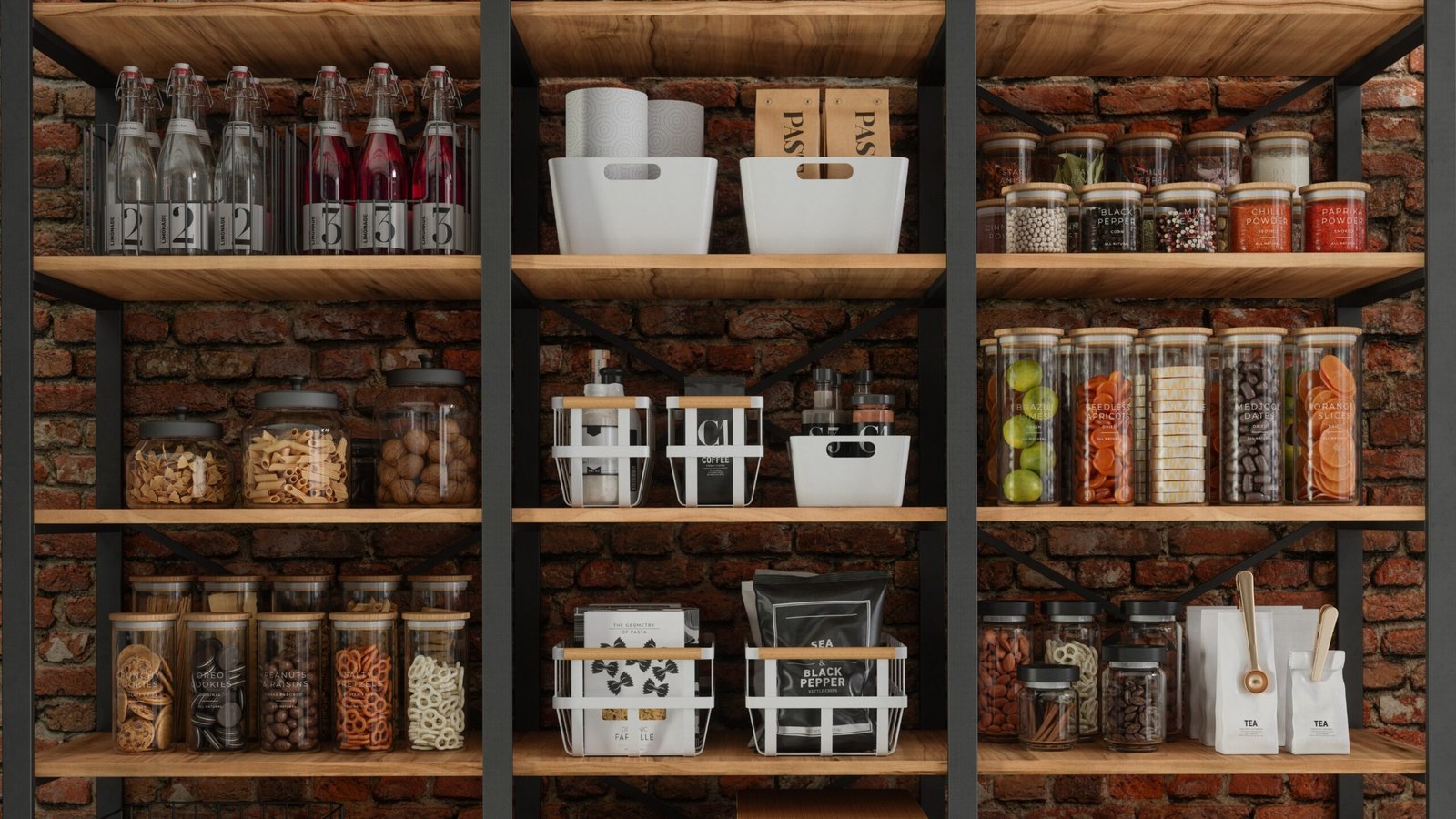
A kitchen shelf may turn messy for no reason. A bag may be pushed behind another, and a jar will be displaced to make space for another thing, and ultimately, you will have to remove things from half of the shelf to find the turmeric. This gets even more frustrating when the kitchen is small and every bit of storage space matters. The easiest way to get some control back is to look at what you buy, how much you buy and whether you genuinely have somewhere to keep it.
Start With What You Already Have
Before buying anything, open the cupboards and actually look inside. Not just the front row either. Pull out a few containers and see what’s hiding behind them. There might be a nearly full packet of rice you forgot about, two open bags of the same dal or three different packets of spices that all seemed necessary at the time. It happens. We buy things when we’re running low, then forget we already had some tucked away.
Once you know what’s there, shopping becomes much easier. A grocery app can be useful here because you can add only the things you genuinely need rather than buying a little bit of everything.
Buy According To Your Household
Large packets can look like good value until you have to find somewhere to put them. If your household takes weeks to finish a particular grain or flour, buying a huge quantity may simply mean sacrificing valuable shelf space. Think about how quickly you actually use things. A smaller packet that gets finished and replaced is sometimes much easier to manage than one enormous bag that sits in the corner for months.
Make Your Jars Work Harder
Storage jars don’t need to look fancy. They just need to be clean, dry and suitable for what you’re storing. Transfer frequently used grains, pulses and spices into containers that are easy to open and close. If you keep everything in matching jars, great. If your containers are a complete mix of old jars and plastic boxes, that’s fine too. The important thing is being able to see what you have without opening five different containers.
Stop Collecting Half-Used Packets
This is usually where the shelf starts getting messy. A packet is opened, folded over and pushed towards the back. Then another one gets opened because you can’t remember where the first one went. Try finishing one opened packet before starting another wherever practical. It sounds ridiculously simple, but it stops that awkward collection of half-used ingredients building up.
Don’t Fill Every Empty Space
An empty patch of shelf doesn’t automatically mean you need to buy something to fill it. Keep a small room between each of the containers so you will be able to take them out without knocking down everything else. You’ll be thankful the next time you’re in a hurry while cooking but your hands are messy with atta or veggies.
Keep Ingredients Away From Heat
Spices and other dry ingredients generally fare better when stored somewhere cool and dry. Although the shelf next to the stove looks like an easy place for storing, it won’t work since there will be excessive heat and cooking steam. Seal all containers properly to ensure that everything you put into them is totally dry. Even a little bit of moisture will make your ingredient useless.
Order Smaller Quantities When You Need Them
If you already know that certain ingredients disappear quickly in your kitchen, there’s no reason to stockpile them months in advance. Order what you’re likely to use and leave the rest of the shelf alone. A dependable online grocery delivery app can make this easier because you can replenish everyday staples without turning every shopping trip into a major stock-up.
Give Yourself Some Breathing Space
An organised kitchen shelf doesn’t mean every jar has to be perfectly lined up or labelled. Real kitchens get used. Things move around. Someone puts the cumin back in the wrong place and, honestly, life goes on.
When you open your grocery app, just keep the available shelf space in mind before adding another large packet to the basket. And when using an online grocery delivery app, buying sensible quantities can stop the cupboard from slowly filling with things you don’t have room for.
The real test is simple: can you open the shelf, find what you need and put it back without an entire pile collapsing? If yes, you’re doing just fine.