
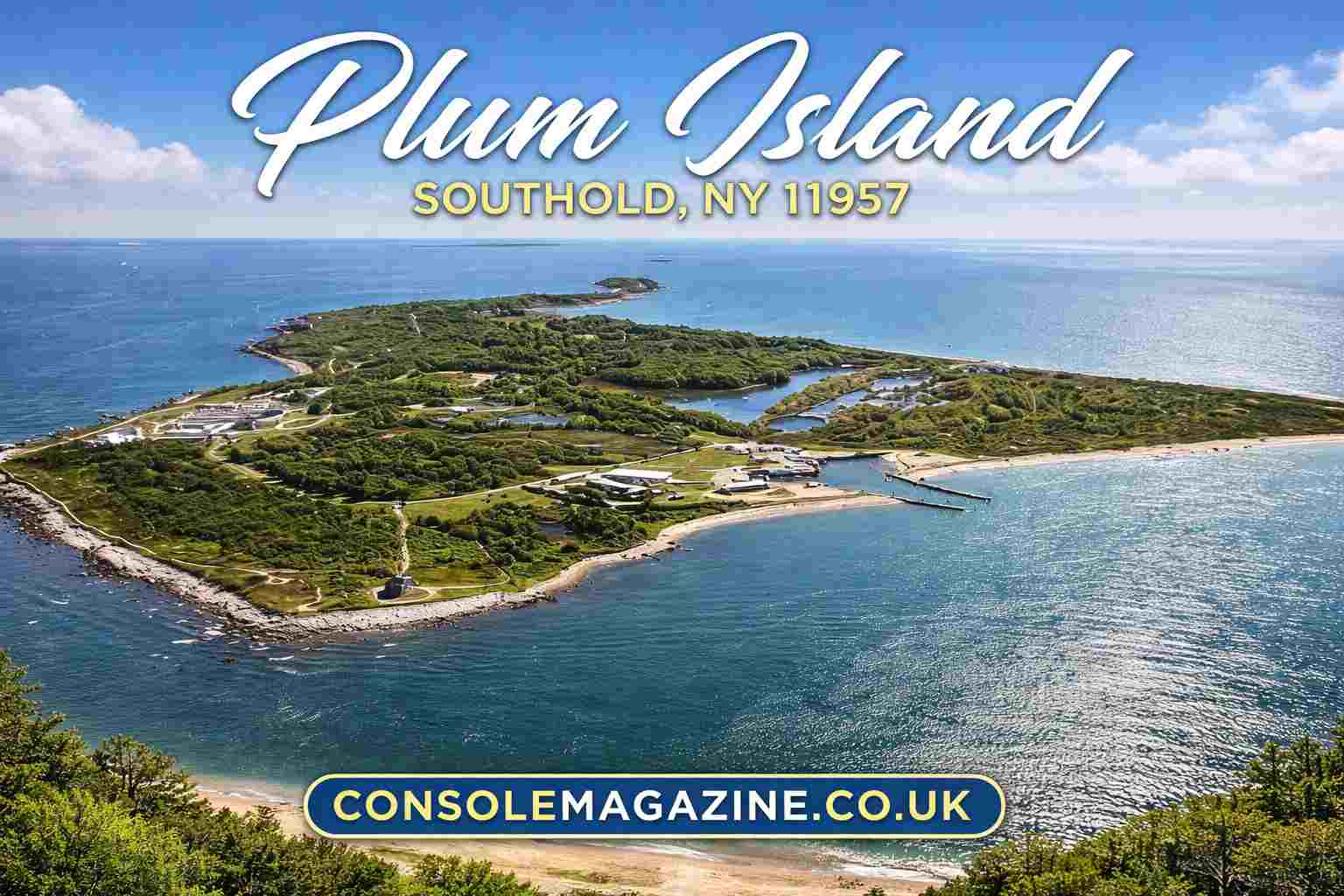
Plum Island Southold NY 11957 is a place wrapped in history, scientific significance, mystery, and natural beauty. Situated just off the northeastern tip of Long Island at the edge of Long Island Sound, this island’s quiet landscape conceals a rich past and an even more intriguing future. From its role in national defense and animal disease research to its untouched wildlife habitats and potential transformation into a nature preserve, Plum Island offers a unique story that bridges multiple disciplines and interests.
In this extensive guide, we’ll explore the full history of Plum Island, its role in science and national security, its natural environment, what attracts visitors (even though they can’t step ashore), and what the future may hold for this remarkable piece of land.
1. Introduction
Plum Island lies in Gardiners Bay, off the tip of the North Fork of Long Island near Southold, NY 11957. While it appears serene and untouched from the shoreline, the island has played significant roles in military strategy, federal scientific research, and conservation debates. Its intriguing mix of restricted access, historic legacy, and ecological value has captured public fascination for decades.
Most people have seen Plum Island in the distance from beaches around Orient Point or Southold — but few have ever walked its soils. This separation from the public has contributed to both mystery and speculation. Yet, the true story of Plum Island is grounded in concrete history, scientific research, and environmental significance rather than fiction.
2. Historical Overview of Plum Island
2.1 Early Native American Settlement
Long before European settlers arrived, Plum Island was known and used by Native American tribes. Its strategic position at the entrance to Long Island Sound and its rich coastal resources made it valuable for seasonal fishing, hunting, and gathering. Although early written records are sparse, the island’s proximity to the mainland suggests it was part of regional Indigenous life long before colonization.
The island’s name itself likely reflects early European descriptions of its natural features — it was noted for the beach plum bushes that grew along its shores. Dutch and English settlers later transcribed the name into forms like “Pruym Eyelant,” which means “Plum Island.”
2.2 European Colonization and Strategic Value
In the 1600s and 1700s, Plum Island transitioned from Indigenous use to European mapping and ownership. English settlers incorporated the island into colonial land claims, and over time it passed through various private and public owners. Its proximity to deep water and ocean approaches gave it strategic maritime value.
2.3 Military Importance: Fort Terry & Coastal Defense
By the late 19th century, the U.S. government recognized Plum Island’s strategic importance for defending the East Coast and New York Harbor. In 1899, the entire island was purchased by the United States, and construction began on Fort Terry, a coastal artillery installation designed to protect against naval threats.
Fort Terry became active during the Spanish‑American War and remained in use through both World War I and World War II. Although the fort was eventually decommissioned after World War II, many of its structures still remain in various states of preservation or decay, serving as tangible reminders of the island’s military legacy.
2.4 19th‑Century Lighthouse and Navigation
Part of Plum Island’s early colonial significance came from its role in navigation. A lighthouse was constructed on the island in the late 1800s to guide ships through the often‑treacherous waters of Long Island Sound and Gardiners Bay. While the lighthouse no longer functions as an active aid to navigation, it remains an important historic site and symbol of the island’s maritime heritage.
3. Plum Island Animal Disease Center (PIADC)
3.1 Establishment and Mission
One of the most defining chapters in Plum Island’s modern history began in 1954, when the federal government converted part of the island into the Plum Island Animal Disease Center (PIADC). This facility was established to research and combat foreign animal diseases — especially highly contagious diseases like foot‑and‑mouth disease (FMD) that pose a major risk to livestock and the agricultural economy.
Operated by the U.S. Department of Homeland Security (DHS) in partnership with the U.S. Department of Agriculture (USDA), PIADC is the only laboratory facility in the United States capable of handling certain live viruses like FMD. Its mission includes diagnostic research, vaccine and therapeutic development, outbreak preparedness, and training for veterinarians and biosecurity personnel.
3.2 Research Impact
PIADC’s work spans decades of high‑impact research. Scientists at the center have developed diagnostic tools and countermeasures that protect U.S. livestock industries from devastating outbreaks. For example, the center has conducted thousands of diagnostic tests annually and has been integral to developing techniques for disease detection, containment, and response.
Through collaborations with federal and state agencies, PIADC also plays a key role in educating veterinarians and laboratory professionals on the frontlines of animal health defense.
3.3 Restricted Access & Security
Due to the sensitive nature of the research and the potential risks associated with transmissible animal diseases, public access to Plum Island is strictly prohibited. The island operates under rigorous security measures, including restricted entry, perimeter monitoring, and dedicated facility controls. This strict access policy is essential to ensuring public safety and maintaining biosecurity protocols.
Because of this restricted access, many rumors, myths, and conspiracy theories have formed around Plum Island’s activities — although official sources affirm that the center does not conduct human disease research or classified biological weapons work.
3.4 Public Curiosity & Misconceptions
Plum Island’s secretive reputation has fueled decades of public speculation and misinformation. From claims about experimental diseases to conspiracy theories linking the island to unusual animal sightings (such as the so‑called “Montauk Monster”), much of this interest stems from the fact that the public cannot freely visit or explore the island.
In reality, official documentation and research show that PIADC’s work focuses on protecting animal health and supporting agricultural safety — not human disease experimentation or bio‑weapon development.
4. Wildlife and Natural Environment
While scientific facilities occupy a portion of Plum Island, much of the land remains untouched wilderness. Because public access is limited, the island’s natural ecosystems have been largely preserved, giving rise to an unexpectedly rich environment for wildlife.
4.1 Migratory Birds and Coastal Species
Plum Island is home to hundreds of bird species, particularly migratory shorebirds that use the island as a resting point during long seasonal flights. Species such as osprey, piping plovers, peregrine falcons, and various songbirds find critical habitat here. The island’s designation as an important avian area reflects its value for bird conservation.
Marine mammals like seals are often spotted around Plum Island’s coastal waters, and the tidal marshes support fish, shellfish, and other aquatic life.
4.2 Unique Flora and Ecosystems
The island’s varied habitats — including dunes, grasslands, woodland patches, and salt marshes — support a diversity of plant life. Native beach plum shrubs, grassy meadows, and wetland plant communities contribute to the island’s ecological richness.
This diversity has led conservation groups to recognize the island as a haven for native plants and animals — a rare ecological gem so close to urban centers like New York City.
4.3 Minimal Human Disturbance and Conservation Value
Because large portions of Plum Island have never been developed for residential or commercial use, natural processes have largely shaped the landscape. This minimal disturbance has allowed wildlife to flourish and ecosystems to remain intact, making Plum Island one of the most ecologically significant islands in the region.
Conservationists often describe the island as a “wild sanctuary” — an 840‑acre refuge of coastal biodiversity just miles from heavily developed mainland shores.
5. Attractions and Surroundings of Southold
While Plum Island itself cannot be visited by the public, the surrounding communities of Southold and Orient Point offer plenty of attractions that provide views and experiences connected to the island’s environment and history.
5.1 Scenic Views of Plum Island
From beaches and parks in Southold and Orient Point, visitors can get sweeping views of Plum Island across Gardiners Bay. These vantage points make excellent spots for photography, birdwatching, and appreciating coastal sunsets with the island as a backdrop.
5.2 Southold Historical Society
The Southold Historical Society offers context and exhibitions related to the region’s past, including maritime history, Indigenous culture, and early settlement — all of which connect to Plum Island’s broader story.
5.3 Local Vineyards & Wineries
Southold is part of Long Island’s renowned wine country, known for vineyards and tasting rooms that draw visitors from across the Northeast. A visit here pairs scenic landscapes with rich agricultural heritage, anchoring the region’s identity beyond Plum Island itself.
5.4 Beaches, Parks, and Coastal Recreation
Beaches like Orient Beach State Park and local parks along the Sound offer recreation, picnicking, boating, fishing, kayaking, and shoreline walks. From these points, Plum Island remains a constant presence on the horizon, quietly shaping the natural character of the region.
6. Interesting Facts and Trivia
Here are some compelling facts that add depth to Plum Island’s story:
- Size & Geography: Plum Island spans about 840 acres and stretches roughly 3 miles in length.
- Federal Ownership: The island is owned by the United States federal government and is not part of private or state lands.
- Historic Military Site: Fort Terry and the old lighthouse remain as reminders of the island’s coastal defense legacy.
- Critical Research Facility: PIADC was the only U.S. lab authorized to handle certain live animal disease agents until its mission transitions in the coming years.
- Ecological Treasure: With minimal development, Plum Island has significant ecological value and is considered an important wildlife habitat.
7. Visiting Southold Near Plum Island
Although visitors cannot land on Plum Island itself, the surrounding region provides ample opportunities to explore the environment connected to it:
7.1 Best Observation Points
- Orient Beach State Park — panoramic views of Plum Island and Long Island Sound.
- Local piers and marinas — ideal for photographing the island at sunrise or sunset.
7.2 Tours & Recreational Activities
- Boat tours along Gardiners Bay often circle near Plum Island’s shoreline, giving visitors a closer — though distant — look.
- Birdwatching excursions — many migratory species seen on Plum Island can also be spotted around Southold parks and marshes.
7.3 Tips for Visitors
- Bring binoculars for wildlife viewing.
- Visit in spring and fall for peak bird migration.
- Pair your visit with Southold’s historical and wine attractions for a full regional experience.
8. Future of Plum Island
The future of Plum Island is one of the most discussed topics among historians, conservationists, and local communities.
8.1 End of PIADC & New Research Facilities
The Plum Island Animal Disease Center is being phased out as its mission relocates to the National Bio and Agro‑Defense Facility (NBAF) in Manhattan, Kansas. This move has already begun and reflects a shift in how and where animal disease research is conducted.
8.2 Conservation and Public Access Proposals
Once federal research activities cease, many advocates want Plum Island preserved as a wildlife sanctuary, public nature preserve, or cultural heritage site. Organizations like The Nature Conservancy, Save the Sound, and the Preserve Plum Island Coalition have developed visions that balance environmental protection with limited public access, historic preservation, and educational use.
Ideas proposed by conservation groups include:
- Sanctuary areas for endangered species
- Educational facilities and interpretation centers
- Historic preservation of Fort Terry and the lighthouse
- Managed public tours and environmental research programs
8.3 Legislative and Policy Efforts
Efforts to prevent private developers from acquiring Plum Island have already succeeded; Congress blocked a proposed sale in a federal relief bill, citing the island’s ecological importance and heritage value.
Local and state officials continue to advocate for a future that protects Plum Island’s natural and historic resources while allowing public enjoyment in a controlled and sustainable way.
9. Conclusion
Plum Island Southold NY 11957 stands as both a historic artifact and a living ecosystem. From its pre‑colonial significance and military role to its scientific mission and future potential, the island occupies a unique place in American history and natural heritage. Its blend of mystery, tangible achievements, and conservation value makes it one of the most compelling subjects near Long Island.
Though the public may not set foot there today, Plum Island continues to shape conversations about science, history, ecology, and stewardship — reminding us that even places out of reach can leave a lasting impact on culture and community.
ALSO READ: Latest Articles TravellingApples 2026: Ultimate Travel Trends, Tips, Destinations & Guides