
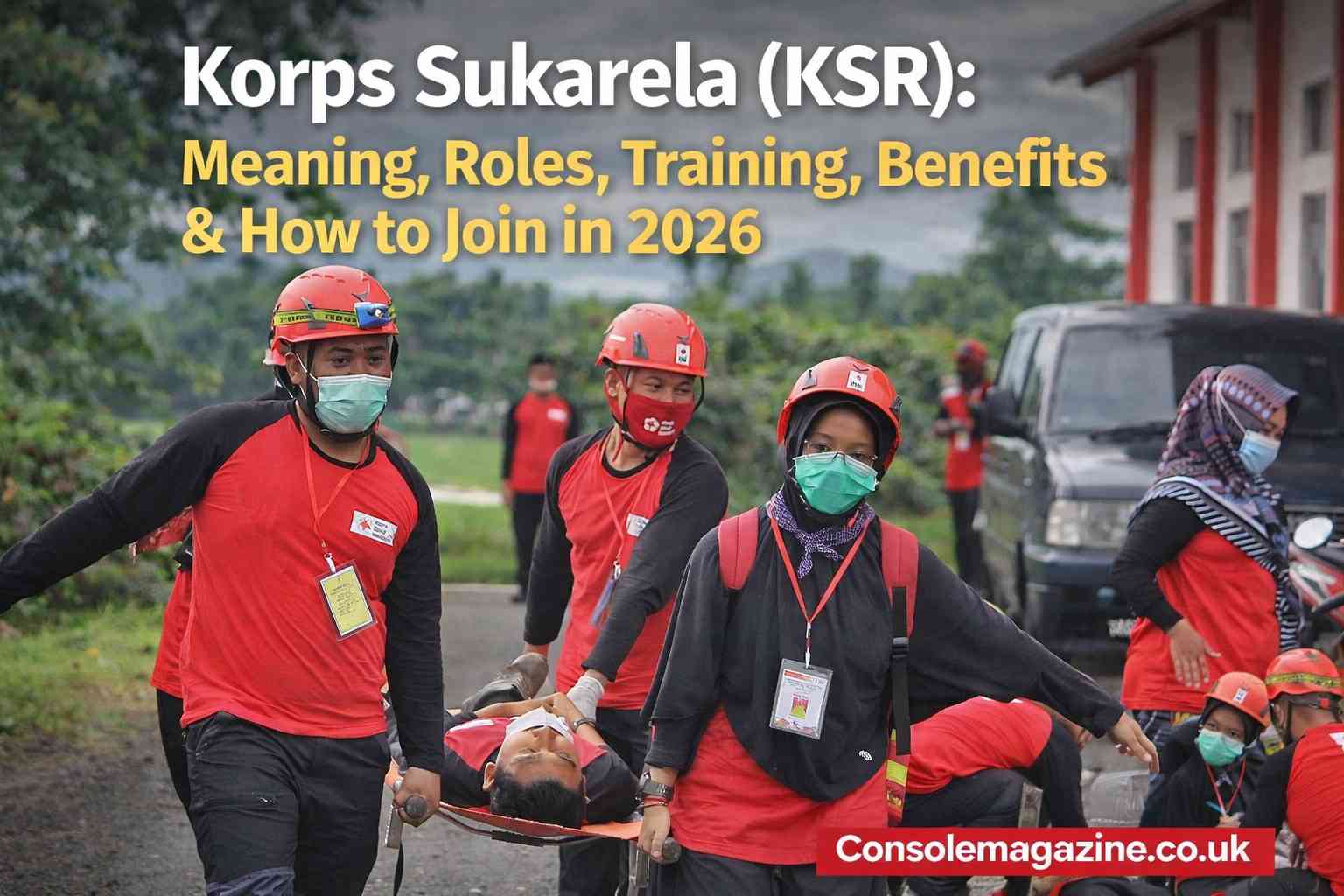
Introduction to Korps Sukarela
Korps Sukarela (KSR), meaning “Volunteer Corps,” is one of the most important humanitarian volunteer systems in Indonesia. It represents a structured network of individuals who dedicate their time, skills, and energy to helping others without expecting financial rewards.
In a country like Indonesia—an archipelago of more than 17,000 islands prone to natural disasters—volunteer organizations like KSR play a crucial role in saving lives and strengthening communities.
From disaster response to public health campaigns, Korps Sukarela stands at the forefront of humanitarian action. It is more than just an organization—it is a movement rooted in compassion, unity, and social responsibility.
What Is Korps Sukarela (KSR)?
Korps Sukarela is the official volunteer corps under the Indonesian Red Cross (Palang Merah Indonesia or PMI). It consists of trained volunteers who provide humanitarian assistance in emergencies and community programs.
Unlike informal volunteering, KSR is highly organized and structured. Members undergo training and operate under internationally recognized humanitarian principles such as:
- Humanity
- Neutrality
- Impartiality
- Independence
- Voluntary service
These principles ensure that all services are delivered fairly and without discrimination.
KSR members come from diverse backgrounds—students, professionals, and everyday citizens—united by a shared goal: helping others.
Why Korps Sukarela Is Important Today
Modern societies face increasing challenges such as climate change, pandemics, and natural disasters. Indonesia, in particular, experiences frequent earthquakes, floods, and volcanic eruptions due to its location on the Pacific Ring of Fire.
In such situations, Korps Sukarela plays a vital role by:
- Providing rapid emergency response
- Supporting healthcare systems
- Assisting vulnerable communities
- Bridging gaps in government services
Without volunteer corps like KSR, disaster response and community support systems would be significantly weaker.
History and Origin of Korps Sukarela
Evolution of Volunteerism in Indonesia
Volunteerism in Indonesia is deeply rooted in the cultural concept of gotong royong, meaning mutual cooperation. This tradition emphasizes collective responsibility and community support.
Historically, volunteer groups emerged during Indonesia’s independence struggle and later evolved into organized humanitarian networks.
Role of Indonesian Red Cross (PMI)
The Indonesian Red Cross (PMI), established in 1945, formalized volunteer efforts by creating structured programs like Korps Sukarela.
PMI coordinates disaster response, medical aid, and humanitarian activities across the country. Today, it manages one of the largest volunteer networks in the world, with hundreds of thousands of volunteers.
Growth of KSR in Schools and Communities
Over time, KSR expanded into:
- Universities
- Schools
- Local communities
This expansion allowed more people, especially youth, to participate in volunteer work, strengthening Indonesia’s social fabric.
Core Values of Korps Sukarela
Korps Sukarela operates on strong humanitarian principles that guide its actions.
Humanity and Volunteerism
The primary goal is to alleviate human suffering and protect life and dignity.
Neutrality and Independence
KSR does not take sides in political, religious, or social conflicts.
Unity and Universality
All volunteers are united under a common mission and serve without discrimination.
Gotong Royong (Mutual Cooperation Culture)
This cultural value encourages collective action and community solidarity.
These values make KSR a trusted and respected organization across Indonesia.
Roles and Responsibilities of Korps Sukarela
Korps Sukarela performs a wide range of duties that contribute to society.
Disaster Response and Emergency Relief
KSR volunteers are often the first responders during disasters. Their responsibilities include:
- Evacuation support
- First aid
- Search and rescue assistance
- Distribution of relief supplies
They play a critical role in saving lives during emergencies.
Health and Medical Support Services
KSR actively supports public health initiatives such as:
- Blood donation drives
- Vaccination campaigns
- Health awareness programs
These activities improve overall community health.
Community Development and Social Work
Volunteers engage in:
- Educational programs
- Environmental cleanups
- Social welfare initiatives
These efforts promote long-term community development.
Public Health Campaigns and Awareness
KSR also focuses on spreading awareness about:
- Disease prevention
- Hygiene practices
- Mental health
This helps build healthier and more informed communities.
Korps Sukarela Training and Skills Development
Training is one of the most important aspects of KSR.
Basic Training (Diklat)
All volunteers must complete basic training programs, often lasting over 100 hours.
This training prepares them for real-world challenges.
First Aid and Life Support Skills
Volunteers learn essential medical skills such as:
- CPR
- Wound treatment
- Emergency response
Disaster Management and Rescue Training
Training includes:
- Disaster preparedness
- Evacuation techniques
- Search and rescue
Communication and Coordination Skills
Volunteers are trained to work effectively in teams and coordinate with authorities.
Specialized Teams (Satgana and Advanced Roles)
Advanced training allows volunteers to specialize in:
- Water sanitation
- Psychological support
- Disaster logistics
How to Join Korps Sukarela (Step-by-Step Guide)
Joining Korps Sukarela is a rewarding process.
Eligibility Requirements
- Minimum age: 18 years
- Good physical and mental health
- Commitment to volunteer work
Registration Process
- Apply through local PMI branches
- Join university or community KSR units
Training Process (Diklat)
Applicants undergo:
- Basic training
- Practical exercises
- Evaluations
Tips to Get Selected
- Show commitment to helping others
- Maintain physical fitness
- Be willing to learn
Korps Sukarela in Schools and Universities
KSR programs are widely present in educational institutions.
Student Volunteer Programs
Students participate in:
- First aid training
- Social campaigns
- Disaster simulations
Leadership and Skill Development
KSR helps students develop:
- Leadership
- Teamwork
- Communication skills
Career Benefits of Joining KSR
Experience in KSR can enhance:
- Job opportunities
- Professional skills
- Social awareness
Benefits of Joining Korps Sukarela
Personal Growth and Leadership Skills
Volunteers gain confidence, discipline, and leadership abilities.
Emergency Response Skills
Training equips members with life-saving skills.
Networking Opportunities
KSR connects individuals with professionals and organizations.
Contribution to Society
Volunteers make a meaningful impact on communities.
Importance of Korps Sukarela in Modern Society
Korps Sukarela is essential for:
- Disaster preparedness
- Public health support
- Community resilience
It acts as a bridge between citizens and institutions, ensuring timely assistance.
Challenges Faced by Korps Sukarela
Despite its importance, KSR faces several challenges.
Limited Funding and Resources
Many units operate with limited equipment and financial support.
Volunteer Burnout
Balancing volunteer work with personal life can be difficult.
Training and Coordination Issues
In remote areas, access to training may be limited.
Future of Korps Sukarela
The future of KSR is promising.
Technology in Volunteer Management
Digital platforms can improve coordination and response times.
Climate Change and Disaster Preparedness
KSR will play a key role in addressing environmental challenges.
Youth Engagement Trends
More young people are joining volunteer programs, strengthening the movement.
Real Impact of Korps Sukarela (Case Examples)
Korps Sukarela has made a significant impact across Indonesia.
- Responding to earthquakes and floods
- Supporting COVID-19 health campaigns
- Providing aid to rural communities
With over 58,000 active KSR members, the organization continues to expand its reach and effectiveness.
Frequently Asked Questions (FAQs)
What is Korps Sukarela?
Korps Sukarela is the volunteer corps of the Indonesian Red Cross.
Is KSR paid or voluntary?
It is completely voluntary, with no salary.
What does KSR do?
It provides disaster relief, health services, and community support.
How can I join KSR?
You can apply through PMI or educational institutions.
What skills are needed?
Basic fitness, teamwork, and willingness to help others.
Conclusion
Korps Sukarela is a powerful example of how volunteerism can transform society. From disaster response to community development, KSR continues to play a vital role in improving lives across Indonesia.
As the world faces growing challenges, the importance of volunteer organizations like Korps Sukarela will only increase. By joining KSR, individuals not only gain valuable skills but also contribute to building a more compassionate and resilient world.
ALSO READ: Benighted Crossword Clue: Meaning, Synonyms, Solving Strategies & Examples