
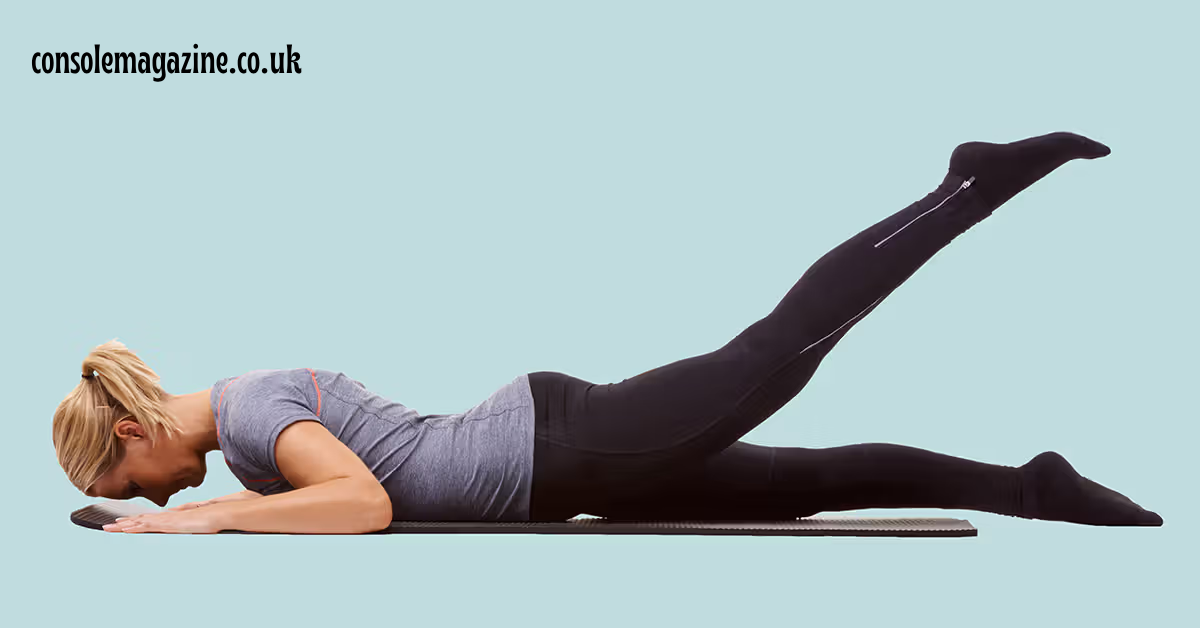
Knee pain has a way of slowing everything down. Walking, climbing stairs, even getting up from a chair can become uncomfortable. The good news is this: in many cases, the right exercises can ease pain, improve mobility, and prevent future issues.
Here’s the thing — the knee itself is rarely the only problem. Weak muscles, tight joints, and poor movement patterns often contribute to the pain. So instead of just masking it with knee pain relief products, the smarter approach is to combine gentle strengthening, stretching, and recovery support.
Let’s break down the most effective exercises you can start today.
Why Exercise Helps Knee Pain
Before jumping into exercises, it helps to understand what’s happening.
Your knee depends on surrounding muscles — especially the quadriceps, hamstrings, calves, and hips. When these muscles are weak or tight, extra pressure goes directly onto the knee joint.
What this really means is:
- Strong muscles = less strain on the knee
- Better flexibility = smoother movement
- Improved stability = reduced risk of injury
Exercise, when done correctly, doesn’t damage your knees — it protects them.
1. Straight Leg Raises
This is one of the safest starting exercises, especially if your knee pain is severe.
How to do it:
- Lie flat on your back
- Keep one leg bent and the other straight
- Slowly lift the straight leg to the height of your bent knee
- Hold for 3–5 seconds, then lower
Reps: 10–15 per leg
Why it works:
It strengthens the quadriceps without putting pressure on the knee joint.
2. Hamstring Stretch
Tight hamstrings can pull on your knees and worsen discomfort.
How to do it:
- Sit with one leg extended
- Bend the other leg inward
- Reach toward your toes without rounding your back
Hold: 20–30 seconds
Why it works:
Loosening the back of your thigh reduces tension around the knee.
3. Wall Sits
This is a powerful strengthening exercise that builds endurance.
How to do it:
- Stand against a wall
- Slide down into a seated position (like sitting on an invisible chair)
- Keep knees aligned with your ankles
Hold: 10–30 seconds
Why it works:
It strengthens quads and stabilizes the knee without movement, making it joint-friendly.
4. Heel and Calf Raises
Strong calves support overall leg function and balance.
How to do it:
- Stand straight (hold support if needed)
- Raise your heels slowly
- Lower back down
Reps: 15–20
Why it works:
Improves lower leg strength and reduces pressure on knees during walking.
5. Step-Ups
This mimics everyday movements like climbing stairs.
How to do it:
- Use a low step or platform
- Step up with one foot, then bring the other up
- Step back down slowly
Reps: 10 per leg
Why it works:
Builds functional strength and improves coordination.
6. Quadriceps Stretch
Tight quads can increase stress on the knee joint.
How to do it:
- Stand and hold one ankle behind you
- Pull your heel toward your glutes
- Keep knees close together
Hold: 20–30 seconds
Why it works:
Relieves tension from the front thigh, improving knee alignment.
7. Glute Bridges
Weak hips often lead to knee pain. This exercise fixes that.
How to do it:
- Lie on your back with knees bent
- Lift your hips upward
- Hold briefly and lower
Reps: 12–15
Why it works:
Strengthens glutes and supports better knee positioning.
8. Seated Knee Extensions
A simple movement that directly targets knee strength.
How to do it:
- Sit on a chair
- Extend one leg straight out
- Hold, then lower
Reps: 10–15 per leg
Why it works:
Improves joint strength without excessive load.
How to Combine Exercise with Pain Relief Support
Exercise is powerful, but recovery matters just as much.
If you’re dealing with stiffness or soreness after workouts, using knee pain relief products can help reduce discomfort and support faster recovery. For example, applying a soothing spray before or after exercise can relax muscles and improve circulation.
Interestingly, many people who deal with joint discomfort also experience upper body strain. That’s where something like a neck pain relief spray becomes useful. It highlights how interconnected the body really is — tension in one area often affects another.
This is where products from Reset come into play. Their approach focuses on combining natural recovery support with movement, rather than replacing it. When used alongside the right exercises, it creates a more complete pain management routine.
Common Mistakes to Avoid
Let’s keep it real — even good exercises can backfire if done wrong.
Watch out for:
- Pushing through sharp pain
- Doing too much too soon
- Ignoring proper form
- Skipping warm-ups
If something feels wrong, pause. Pain should guide you, not be ignored.
When to Be Careful
Not all knee pain is the same. If you have:
- Severe swelling
- Locking or instability
- Recent injury
It’s better to consult a professional before starting any routine.
Building a Simple Daily Routine
You don’t need hours. Just consistency.
A practical routine could look like:
- 5 minutes warm-up
- 15 minutes of the exercises above
- Light stretching
- Apply recovery support if needed
Even 20 minutes a day can make a noticeable difference.
Final Thoughts
Knee pain doesn’t have to control your life. The right combination of movement, strengthening, and recovery can bring back comfort and confidence in your daily activities.
What this really comes down to is balance. Exercises rebuild strength, while supportive solutions like knee pain relief products and targeted sprays help manage discomfort along the way.
Stick with it, stay consistent, and give your body the support it needs. Over time, those small daily efforts add up to stronger knees and a more active life.
ALSO READ: Nukleotidy: The Complete Guide to Structure, Function, Health Benefits, and Modern Applications