
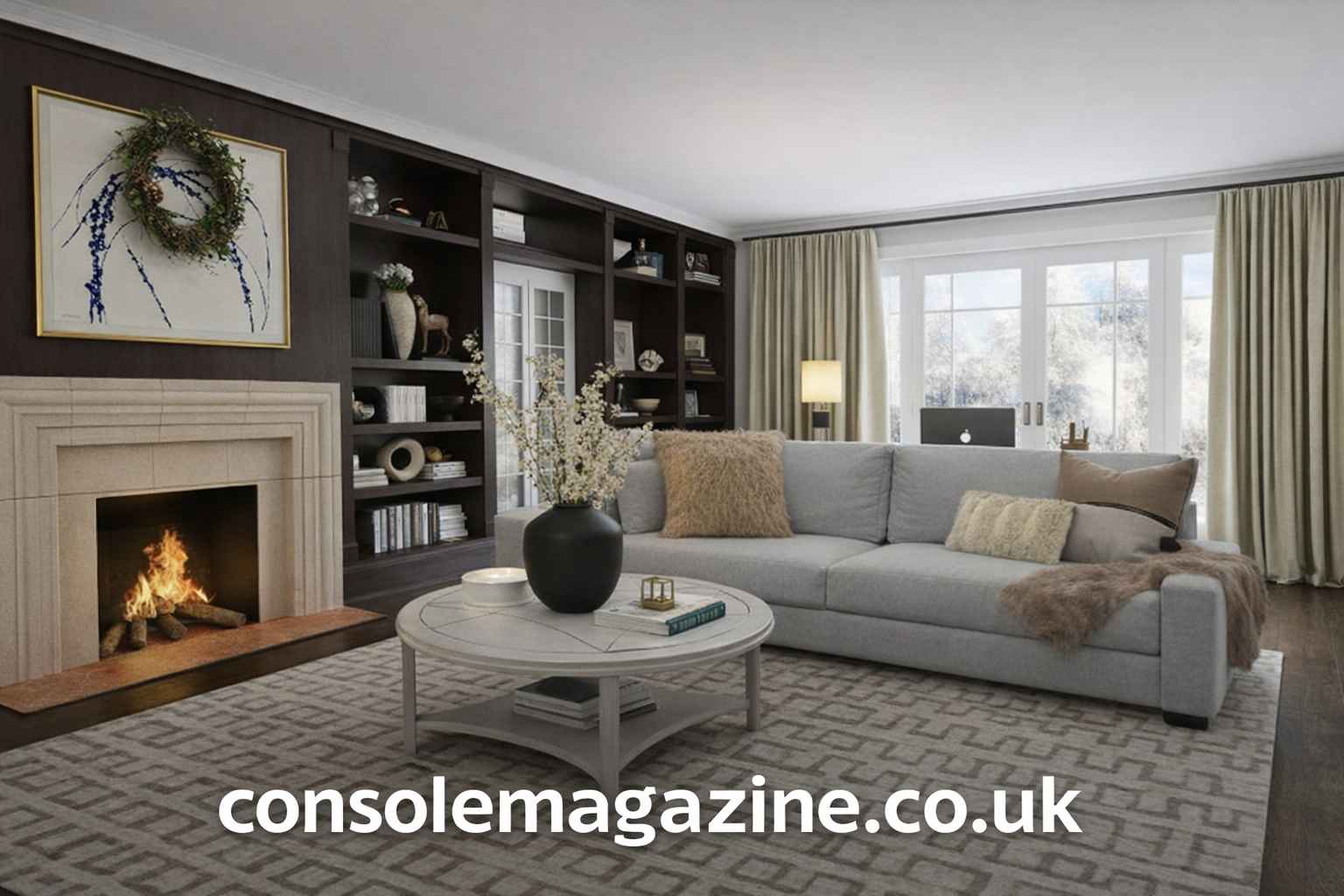
There is a particular kind of interior that lingers in your mind long after you’ve left it. You may not immediately pinpoint why it feels so compelling, but the impression is unmistakable. The space feels layered and luxurious. It is not necessarily filled with expensive objects or dramatic gestures, but it carries a depth that more obvious, trend-driven interiors often lack.
Designers often refer to this quality as richness of detail. It is not about excess or ornament for its own sake, but about the accumulation of thoughtful decisions that work together to create visual and tactile depth. These interiors reward attention. The more time you spend in them, the more you notice.
It Starts With the Architecture
The foundation of a richly detailed interior is almost always architectural. Before furniture, color, or decoration enters the picture, the proportions and structure of a room set the tone.
Rooms that feel generous in height, balanced in width, and thoughtfully divided tend to support more nuanced design. Elements such as moldings, paneling, and ceiling treatments introduce layers of detail that give the space a framework. Even simple architectural additions can transform a room from flat to dimensional.
When walls are treated as more than blank surfaces, they begin to participate in the design. Subtle paneling, carefully spaced trims, or recessed niches create rhythm and shadow, allowing light to interact with the room in a more dynamic way. Even a few well-considered features elevate the overall look and feel of the space.
The Power of Material Choices
Materials are one of the most immediate ways to create richness in an interior. Flat, uniform surfaces tend to feel one-dimensional, while materials with variation, texture, and depth introduce visual interest that evolves throughout the day.
Natural materials are particularly effective because they are inherently imperfect. Stone, wood, and clay all carry subtle variations in tone and pattern that cannot be replicated artificially. These nuances create a sense of authenticity that feels grounded and enduring. Layering materials is where the real magic happens. A room might combine smooth plaster walls with textured stone flooring, soft textiles with polished metal, or matte finishes with reflective surfaces.
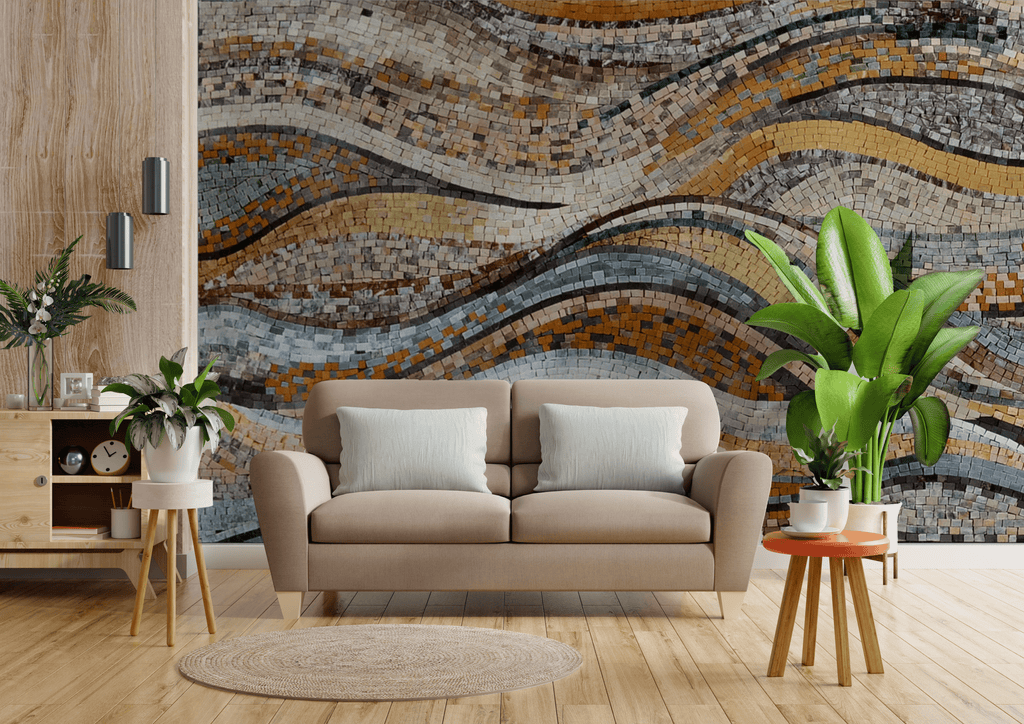
In kitchens and bathrooms, surfaces offer an especially rich opportunity for detail. A backsplash or feature wall incorporating a carefully considered mosaic pattern can introduce rhythm and intricacy, particularly when it is integrated seamlessly into the surrounding materials rather than treated as a standalone accent.
Scale and Proportion Shape Perception
One of the most overlooked aspects of detail is scale. Even the most beautiful materials and furnishings can feel out of place if their proportions do not align with the room.
Rich interiors tend to get scale exactly right. Furniture feels appropriately sized for the space, neither too bulky nor too delicate. Lighting fixtures relate to the height of the ceiling. Decorative elements are placed with intention rather than scattered randomly.
This sense of proportion creates visual balance, which allows the eye to appreciate smaller details more fully. When a room feels resolved at a larger scale, the finer elements can come forward without competing for attention. Designers often adjust proportions subtly, raising curtain rods slightly higher, choosing larger artwork, or widening passageways. These decisions may not be immediately noticeable, but they contribute to an overall sense of ease and refinement.
Layering Rather Than Matching
Interiors that feel rich in detail rarely rely on perfectly matched sets. Instead, they embrace layering, combining elements that relate to one another without being identical.
This approach creates a sense of history and evolution, as though the room has been assembled over time rather than completed in a single purchase. A vintage chair paired with a contemporary sofa, a handmade rug beneath a modern table, or a mix of finishes within the same color family all contribute to this layered effect. Layering also applies to textures. Combining soft and hard, smooth and rough, matte and glossy surfaces creates a sensory richness that enhances the overall experience of the room.
The Role of Craftsmanship
Craftsmanship is often the defining factor in whether an interior feels truly detailed or simply decorated. Handmade or carefully fabricated elements introduce a level of precision and individuality that mass-produced items rarely achieve. This does not mean every piece must be bespoke, but incorporating even a few artisanal elements can switch up the look of the entire space. Custom millwork, hand-finished surfaces, and carefully executed joinery all contribute to a sense of care and intention.
Tile work is a particularly strong example. In bathrooms or kitchens, the use of natural stone mosaic tiles can add subtle variation and texture that brings in irresistible luxury. When installed
with attention to alignment, spacing, and material transitions, these details create a quiet sophistication that stands the test of time.
Lighting That Reveals Smaller Details
Lighting plays a crucial role in how detail is perceived. Harsh or overly uniform lighting can flatten a space, while thoughtful layering of light sources enhances depth and dimension.
Ambient lighting provides a general glow, but it is the combination of task and accent lighting that brings a room to life. Wall sconces highlight textures, table lamps create pools of warmth, and directional lighting draws attention to specific features. Natural light is equally important. As it shifts throughout the day, it interacts with materials in subtle ways, revealing textures, shadows, and variations that might otherwise go unnoticed.
Designers often think of lighting as a way to guide the eye. By highlighting certain areas and leaving others more subdued, they create a sense of hierarchy that makes the space feel more dynamic.
Personalization That Feels Authentic
Perhaps the most important aspect of a richly detailed interior is that it feels personal. Spaces that resonate tend to reflect the lives, interests, and experiences of the people who inhabit them.
This might be expressed through art, collected objects, or materials that hold personal significance. The key is authenticity. When elements are chosen because they matter rather than because they follow a trend, the result feels more genuine and enduring.
The Subtle Influence of Time
Interiors that feel rich in detail often give the impression that they have been evolving over time. Even in newly designed spaces, this sense of layering can be achieved through thoughtful combinations of old and new, polished and imperfect. Patina plays an important role here. Materials that show gentle signs of wear, such as aged wood or softened stone, bring a sense of history that cannot be replicated artificially.
Designers often incorporate pieces with a story, whether vintage finds, handmade objects, or items sourced from different places. This approach creates a narrative that unfolds gradually, adding to the richness of the interior.
ALSO READ: Coloration Indigo: The Ultimate Guide to Natural Hair & Textile Dyeing