When it comes to passing your MOT test, many drivers focus on obvious factors such as tyres, brakes, and emissions. However, one commonly overlooked issue that can lead to failure is dashboard warning lights. These small illuminated symbols on your dashboard are more than just reminders, they are direct indicators of your vehicle’s health.
Understanding how these warning lights impact your MOT test can save you from unexpected failures, costly repairs, and unnecessary stress. In this guide, we will explore what dashboard warning lights mean, which ones can cause an MOT failure, and how professional servicing from TJ Services can help you stay road legal.
What Are Dashboard Warning Lights?
Modern vehicles use an On-Board Diagnostics (OBD) system to continuously monitor sensors across the engine, braking, emissions, and safety systems. When a reading falls outside acceptable parameters, the system logs a fault code and triggers the relevant warning light.
Some lights illuminate briefly at ignition and then go out, this is a normal self-test sequence. The ones to address are those that remain lit while driving, or that reappear every time you start the car.
The DVSA uses three fault categories when assessing warning lights during an MOT:
- Minor: a defect is recorded on the certificate, but the car is not failed
- Major: the car fails and must be repaired before it can be driven away (with limited exceptions)
- Dangerous: an immediate risk to road safety; the vehicle must not be driven until repaired.
Do Warning Lights Affect Your MOT Test?
Yes, certain dashboard warning lights can directly affect your MOT result. During the test, the examiner checks the instrument panel to ensure that all required systems are functioning correctly.
If a critical warning light remains illuminated, your vehicle may fail the MOT test. This is especially true for systems related to safety and emissions. If your test is coming up soon, you can book your MOT in Fleet and have a pre-check carried out at the same time.
Warning Lights That Can Cause MOT Failure
Not all warning lights will result in a failure, but some are considered serious enough to fail your vehicle.
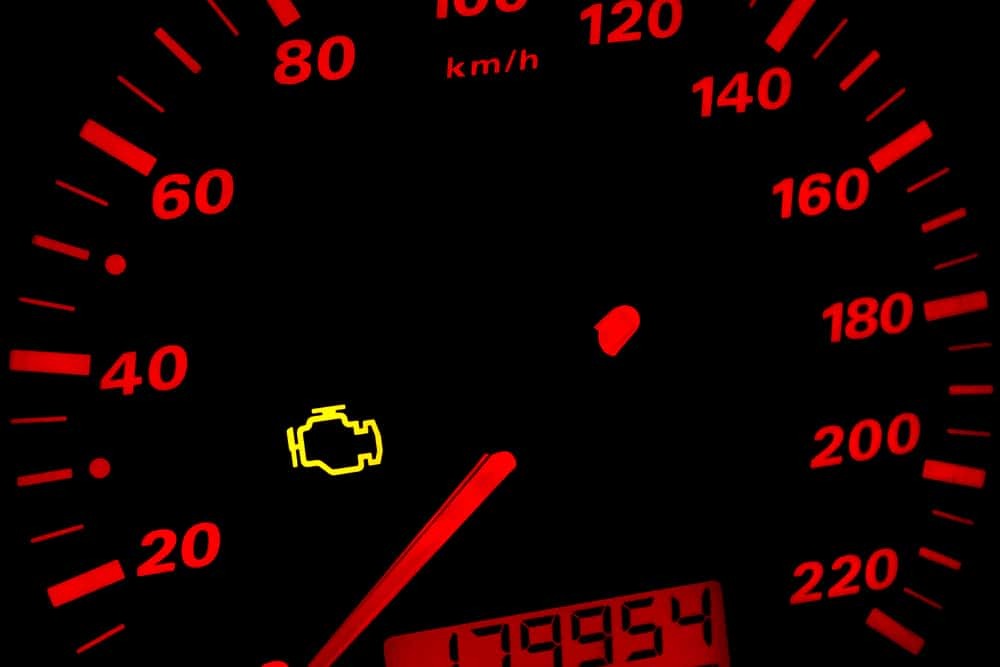
- Engine Management Light
The engine management light indicates a fault in the engine or emissions system. If this light is on during the MOT test, it is usually considered a major issue and can lead to failure.
This is because it may indicate increased emissions or poor engine performance.
- Airbag Warning Light
The airbag system is a critical safety feature. If the airbag warning light is on, it suggests that the system may not function properly in the event of an accident.
An illuminated airbag light is likely to result in an MOT failure.
- ABS Warning Light
The Anti-lock Braking System helps maintain control during emergency braking. If the ABS warning light is on, it means the system is not working correctly.
Since braking performance is a key safety factor, this can lead to a failed MOT.
- Power Steering Warning Light
Modern vehicles rely on power steering systems for safe handling. If this warning light is active, it may indicate a fault that affects steering control.
Depending on the severity, this could also result in a failure.
Warning Lights That May Not Cause Failure
Some dashboard lights are less critical and may not lead to an automatic MOT failure.
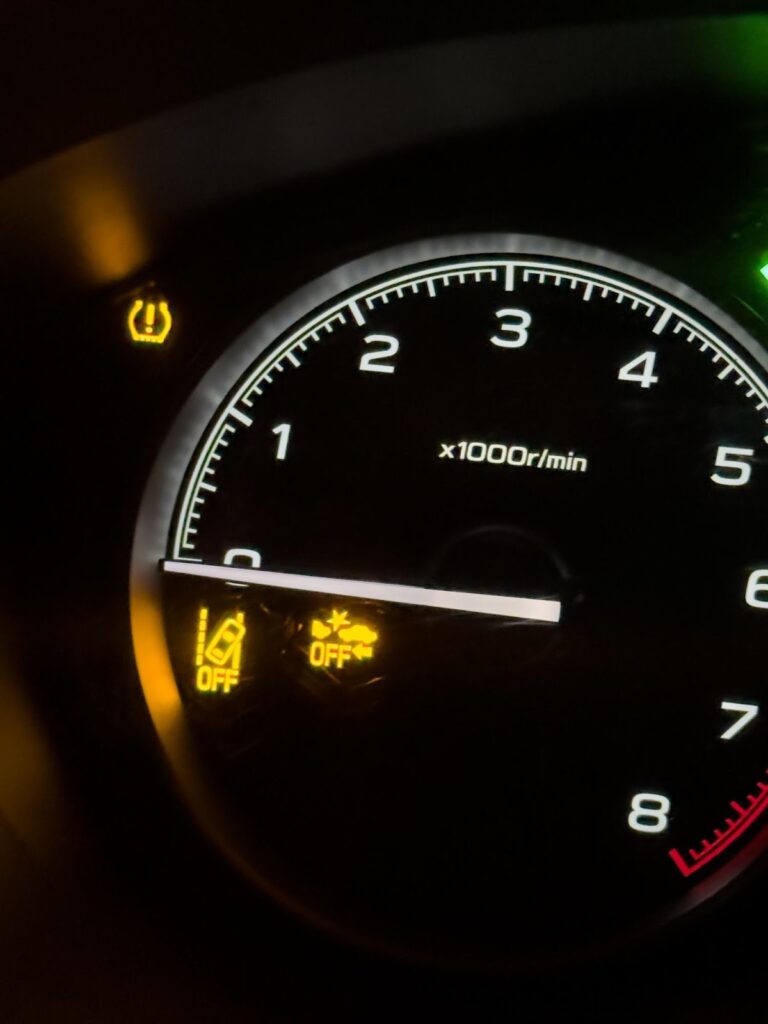
These include lights related to:
- Low fuel
- Washer fluid levels
- Door open indicators
While these do not usually affect the MOT result, it is still good practice to address them.
Which Warning Lights Affect Your MOT? Quick Reference
The table below reflects current DVSA guidance on how illuminated warning lights are assessed.
| Warning light | MOT Outcome | Why it matters |
| Engine management (MIL) | Fail | Directly tied to emissions. A lit MIL means the OBD system cannot confirm the vehicle meets CO/HC limits, automatic failure. |
| Airbag / SRS | Fail | Safety-critical. If the airbag system cannot be confirmed as operational, the car fails on safety grounds. |
| ABS | Fail | Braking performance is a core MOT item. An ABS fault means the anti-lock function is unconfirmed. |
| Electronic power steering (EPS) | Major | Partial assist loss = major defect. Full loss = dangerous defect. Outcome depends on which component has failed. |
| Tyre pressure (TPMS) | Advisory | The TPMS fault itself is noted as a minor item. Tyres are still inspected physically for pressure and condition. |
| Service / Oil life reminder | No Impact | Maintenance reminder only, not within the scope of the MOT inspection. |
| Low fuel / washer fluid | No Impact | Consumable alerts with no bearing on roadworthiness. |
Why Warning Lights Are Taken Seriously
Dashboard warning lights are directly linked to your vehicle’s safety and environmental performance. The MOT test is designed to ensure that all vehicles on the road meet minimum safety standards.
If a warning light indicates a fault in braking, airbags, or emissions systems, it poses a risk not only to the driver but also to other road users.
Common Reasons Warning Lights Appear
Understanding why warning lights come on can help you prevent MOT failures.
- Faulty sensors are a common cause. Sometimes the issue is not mechanical but electronic.
- Wear and tear of components such as brakes, filters, or engine parts can trigger warning lights.
- Lack of regular servicing often leads to unnoticed problems that eventually show up as dashboard alerts.
Ignoring these warnings can turn minor issues into major faults.
Can You Reset Warning Lights Before an MOT?
Some drivers attempt to reset warning lights before an MOT test. While this might temporarily turn off the light, it does not fix the underlying problem.
Modern vehicles store fault codes, and these can still be detected during diagnostics. If the issue persists, the light will likely come back on.
Resetting lights without fixing the issue is not a reliable solution and can lead to repeated failures.
How to Prepare Your Car for an MOT Test
Preparing your car in advance can help you avoid unnecessary failures.
Check your dashboard for any warning lights before the test. If any lights remain on, it is best to have them inspected and repaired.
Regular maintenance plays a key role in ensuring your vehicle is in good condition. Addressing small issues early can prevent larger problems later.
The Role of Professional Diagnostics
Modern vehicles rely heavily on electronic systems, which means diagnosing problems is not always straightforward. Professional diagnostic tools can identify the exact cause of a warning light.
This allows technicians to fix the issue accurately and efficiently, ensuring your car is ready for the MOT test.
Why Choose TJ Services
When it comes to preparing your vehicle for an MOT, choosing a reliable service provider is essential. TJ Services offers comprehensive vehicle inspections and diagnostics to ensure your car meets all MOT requirements.
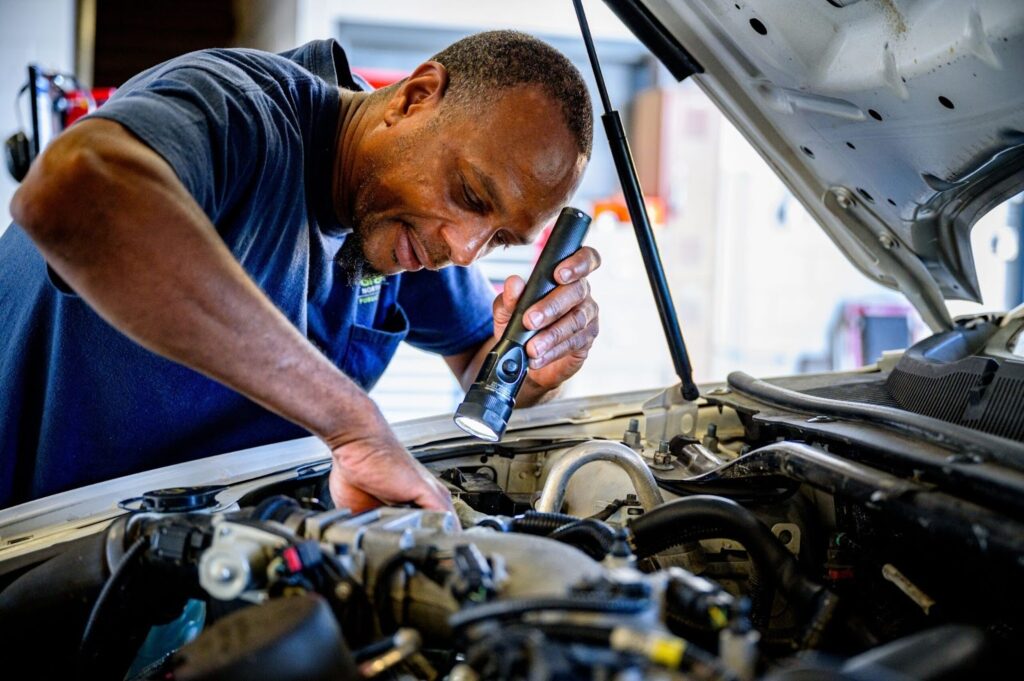
Their experienced technicians can quickly identify the cause of any dashboard warning lights and carry out the necessary repairs. From engine diagnostics to brake system checks, they provide complete solutions to keep your vehicle roadworthy.
TJ Services focuses on quality, transparency, and customer satisfaction. By addressing issues before your MOT test, they help you avoid failures and ensure a smooth testing process.
Drivers in Church Crookham, Fleet and the surrounding area, including Farnborough, Hook, and Hartley Wintney, can book a pre-MOT diagnostic check with TJ Services. You can find us at 31 Sandy Lane, Church Crookham, Fleet, GU52 8BX. Addressing faults before test day significantly reduces the chance of a failure and avoids the cost and inconvenience of a retest fee.
Benefits of Fixing Warning Lights Early
Taking action as soon as a warning light appears offers several benefits.
- It improves your chances of passing the MOT test on the first attempt.
- It prevents minor issues from developing into major repairs.
- It enhances vehicle safety and performance.
- It can also save you money in the long run by avoiding costly breakdowns.
What Happens If You Fail the MOT?
If your car fails the MOT due to warning lights, you will need to fix the issues before retesting. Depending on the severity, you may not be allowed to drive the vehicle until repairs are completed.
This can lead to inconvenience and additional costs. Preparing your vehicle in advance helps you avoid this situation.
Conclusion
Dashboard warning lights play a crucial role in determining whether your car passes its MOT test. Lights related to safety systems and emissions are taken seriously and can result in failure if ignored.
Regular servicing and timely diagnostics are the best ways to ensure your vehicle remains in top condition. With expert support from TJ Services, you can identify and fix issues before your MOT, giving you confidence and peace of mind on the road.